
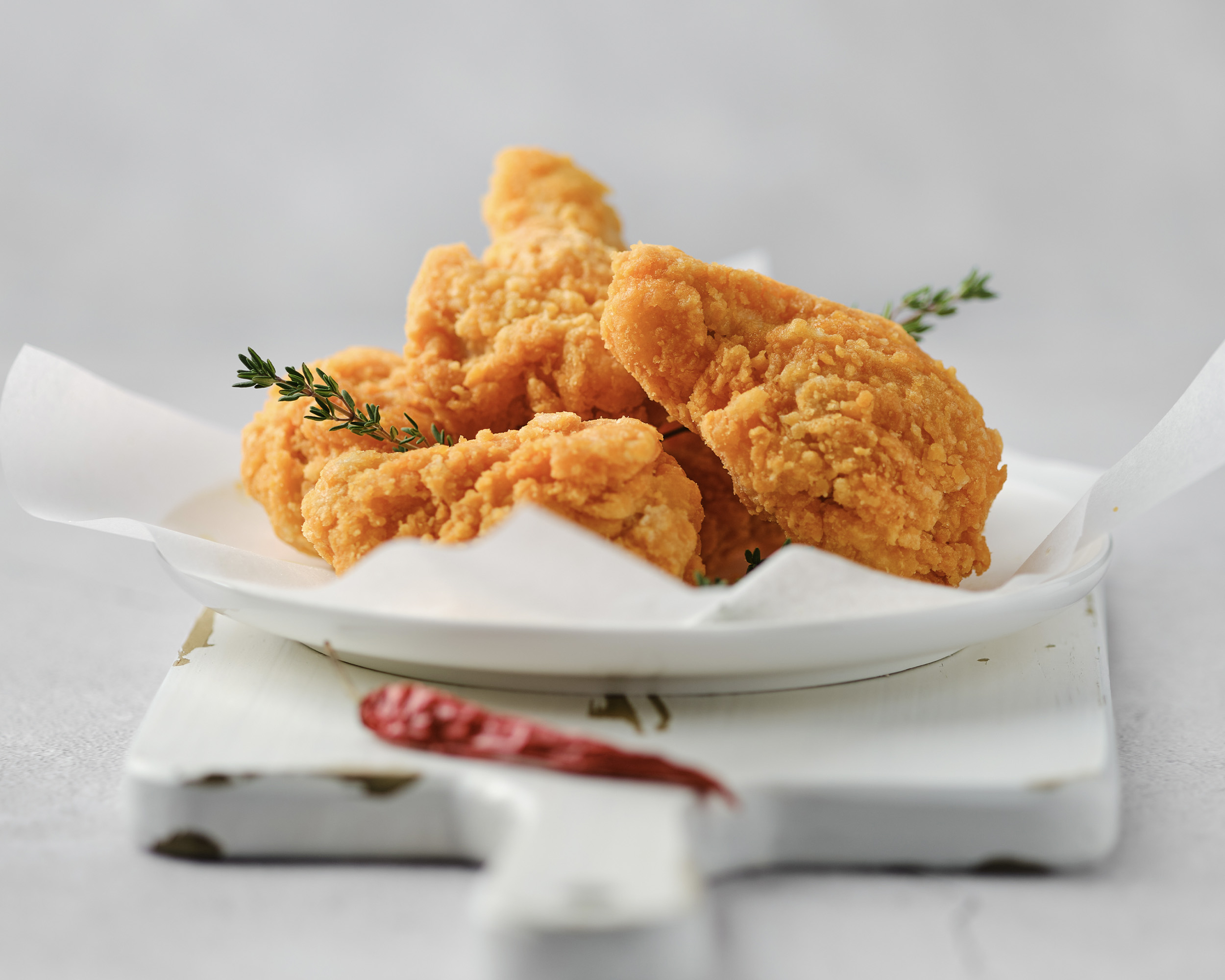
A new dish might begin as an exciting culinary idea, but bringing it to the menu involves much more than perfecting its flavour. Chefs must consider ingredient availability, preparation time, equipment requirements and how the dish will fit into the kitchen's existing workflow. What works during a quiet tasting session may be considerably harder to execute during a busy dinner service.
These challenges become even more significant when multiple orders compete for the same equipment, ingredients or preparation stations. Without the right processes in place, introducing a single menu item can affect the speed and consistency of several others.
The key is to plan new additions around the kitchen's operational capabilities, rather than treating them as standalone creations. With the right approach to ingredient selection, mise en place, recipe standardisation and team training, restaurants can make menu innovation easier to execute. Here's where to start.
1 – Assess Kitchen Readiness Before Introducing New Dishes
Before adding a dish to the menu, chefs should assess what it takes to prepare and serve it consistently. Consider ingredient availability, storage requirements, preparation time and the equipment needed at each stage. A dish that requires several ingredients not used elsewhere, or specialised equipment may introduce unnecessary complexity, particularly during peak service hours.
It's equally important to evaluate how the new item will affect existing station workloads. An addition that puts extra pressure on an already busy grill, fryer or finishing station can slow down multiple orders. By assessing these requirements beforehand, restaurants can identify potential bottlenecks and ensure new dishes fit into existing workflows without compromising service speed or consistency.
2 – Build New Menu Items Around Existing Ingredients
One way to simplify menu launches is to build new dishes around ingredients the kitchen already stocks and uses regularly. Cross-utilising proteins, vegetables, sauces and seasonings across multiple recipes can reduce the need for additional inventory, minimise waste and make preparation more manageable. It also allows chefs to introduce new flavour combinations without creating entirely new preparation processes.
Cuisinary's ready-to-use sauces, marinades and seasonings can help simplify execution by helping kitchens develop variations with fewer preparation steps. For instance, an existing grilled chicken preparation can become a new menu special with a different marinade or sauce. By making thoughtful use of existing ingredients and versatile foodservice products, restaurants can expand their menus while keeping kitchen operations efficient.
3 – Standardise Recipes & Streamline Mise en Place
A new dish should be easy for different members of the kitchen team to prepare consistently, even during peak service hours. Standardised recipe cards with clearly defined ingredient quantities, portion sizes, cooking times and plating instructions help reduce guesswork and ensure every order meets the same quality standards. They also make it easier to train staff and maintain consistency across shifts.
Equally important is organising mise en place before service begins. Identify which ingredients can be portioned, sauces prepared and components assembled in advance, and which steps must be completed when an order arrives. Preparing these elements systematically helps minimise last-minute work, keeps stations organised and allows chefs to focus on cooking and finishing dishes efficiently when orders start coming in.
4 – Test New Dishes Before The Launch
A dish that performs well during a tasting may not be as easy to execute during a busy service. Before introducing it to the menu, chefs should test its preparation under realistic kitchen conditions, ideally alongside regular orders. This helps reveal potential bottlenecks, equipment conflicts and steps that take longer than expected.
Kitchen trials also provide an opportunity to evaluate portion sizes, presentation, cooking times and the consistency of the final dish. If a recipe requires too many last-minute adjustments or places excessive pressure on a particular station, the team can simplify the process before launch. Addressing these issues early helps restaurants introduce new offerings with greater confidence while keeping service efficient and existing dishes consistent.
5 – Train Teams & Introduce Menu Changes In Stages
Even a well-planned menu addition can disrupt service if the team isn't familiar with its preparation. Before launch, chefs should walk kitchen staff through the recipe, portion sizes, cooking methods and plating requirements. The front-of-house team should also understand the dish's ingredients, flavour profile and expected preparation time so they can set accurate expectations for diners.
Rather than introducing several complex dishes at once, restaurants can begin with a limited selection or run a short trial before a wider rollout. This gives the team time to identify operational challenges, refine preparation methods and adjust workloads. A phased approach makes it easier to manage the transition, gather feedback and maintain consistent service while introducing new menu offerings.
Every new dish brings something exciting to the menu, but it also brings a few things for the kitchen team to figure out. From sourcing ingredients to managing prep time and handling orders during a rush, even a simple addition needs to work within the kitchen's existing routine.
The good news is that launching a new dish doesn't have to mean starting from scratch. Making the most of existing ingredients, keeping recipes consistent and giving the team enough time to practise can make a real difference. These small steps help chefs focus on what matters most: serving good food, consistently.
With Cuisinary's range of food solutions, chefs can explore new flavour combinations without unnecessarily complicating preparation. Because a great addition to the menu should work for the kitchen just as well as it works for the customer!
Frequently Asked Questions
How can restaurants introduce new menu items without slowing down service?
Restaurants can introduce new menu items without slowing service by planning preparation in advance, standardising recipes and assessing kitchen capacity. Using existing ingredients, training staff before launch and testing dishes under realistic service conditions can help minimise bottlenecks and maintain consistent ticket times.
What should restaurants consider before launching a new dish?
Before launching a new dish, restaurants should evaluate ingredient availability, preparation time, equipment requirements, food costs and station workload. Testing the recipe alongside regular orders can help identify potential challenges before the dish becomes part of the menu.
How often should restaurants update their menus?
Restaurants can update their menus seasonally, based on customer preferences, ingredient availability and business goals. Introducing a few well-planned additions at a time allows kitchens to test new dishes without disrupting existing operations.